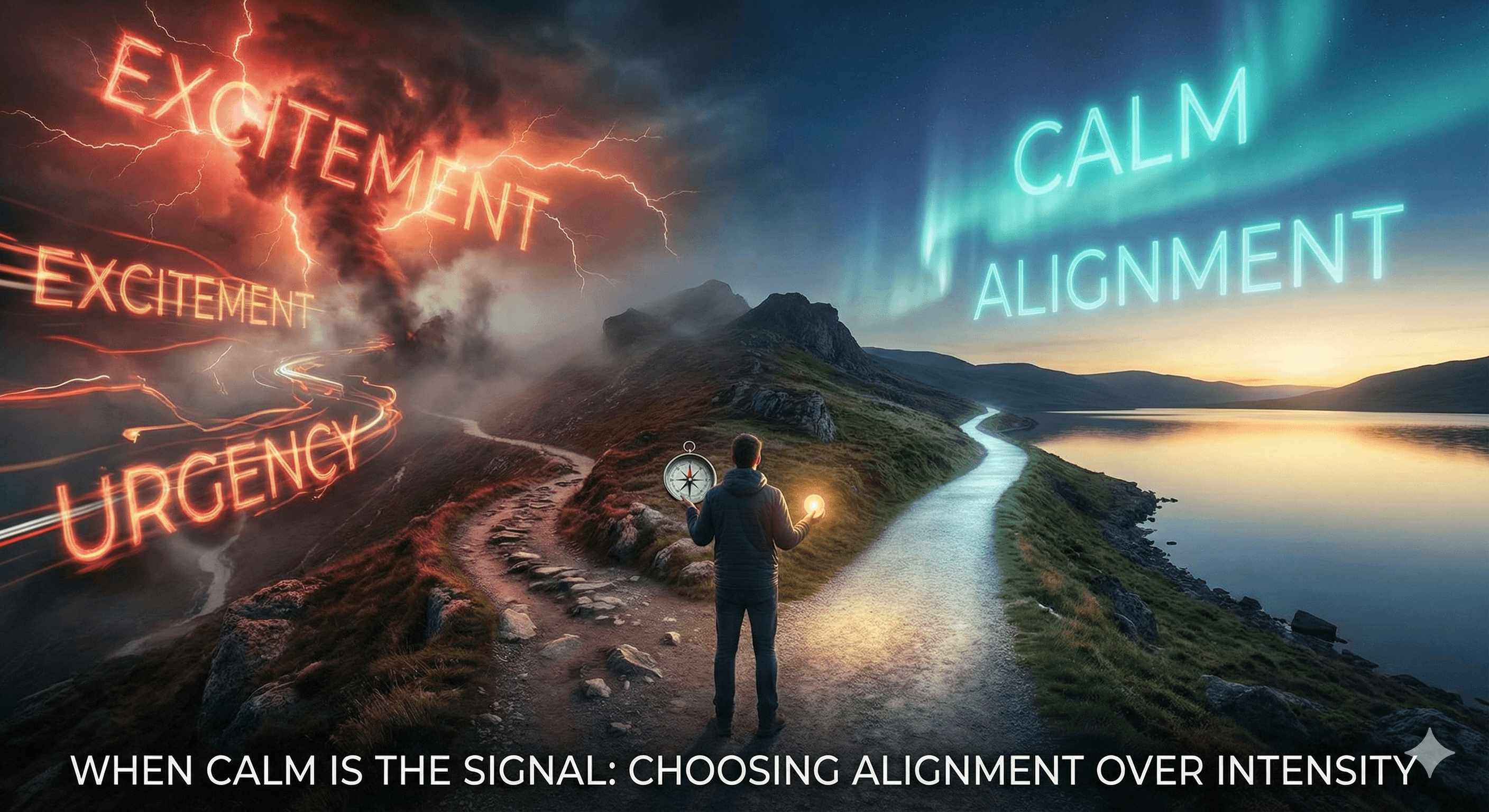
When CALM Is the Signal: What Marriage and Home Decisions Taught Me About Reflection
Discover why calm, not excitement, signals true alignment in decision-making. Build reflective intelligence for sustainable growth with RILayer.
Access DocumentResearch, field notes, and practical thinking on reflective capability and modern performance.
The Insights section exists to help organisations, leaders, and individuals understand the capability issues shaping performance at work. This is where RILayer explores the ideas behind the system, the realities it responds to, and the emerging pressures facing people in AI-enabled environments.
If you are new to RILayer, start with a small set of core pieces that explain the philosophy and architecture behind the system.
Search and filter the complete chronological library of architectural thinking, operational frameworks, and systemic observations.

Discover why calm, not excitement, signals true alignment in decision-making. Build reflective intelligence for sustainable growth with RILayer.
Access Document
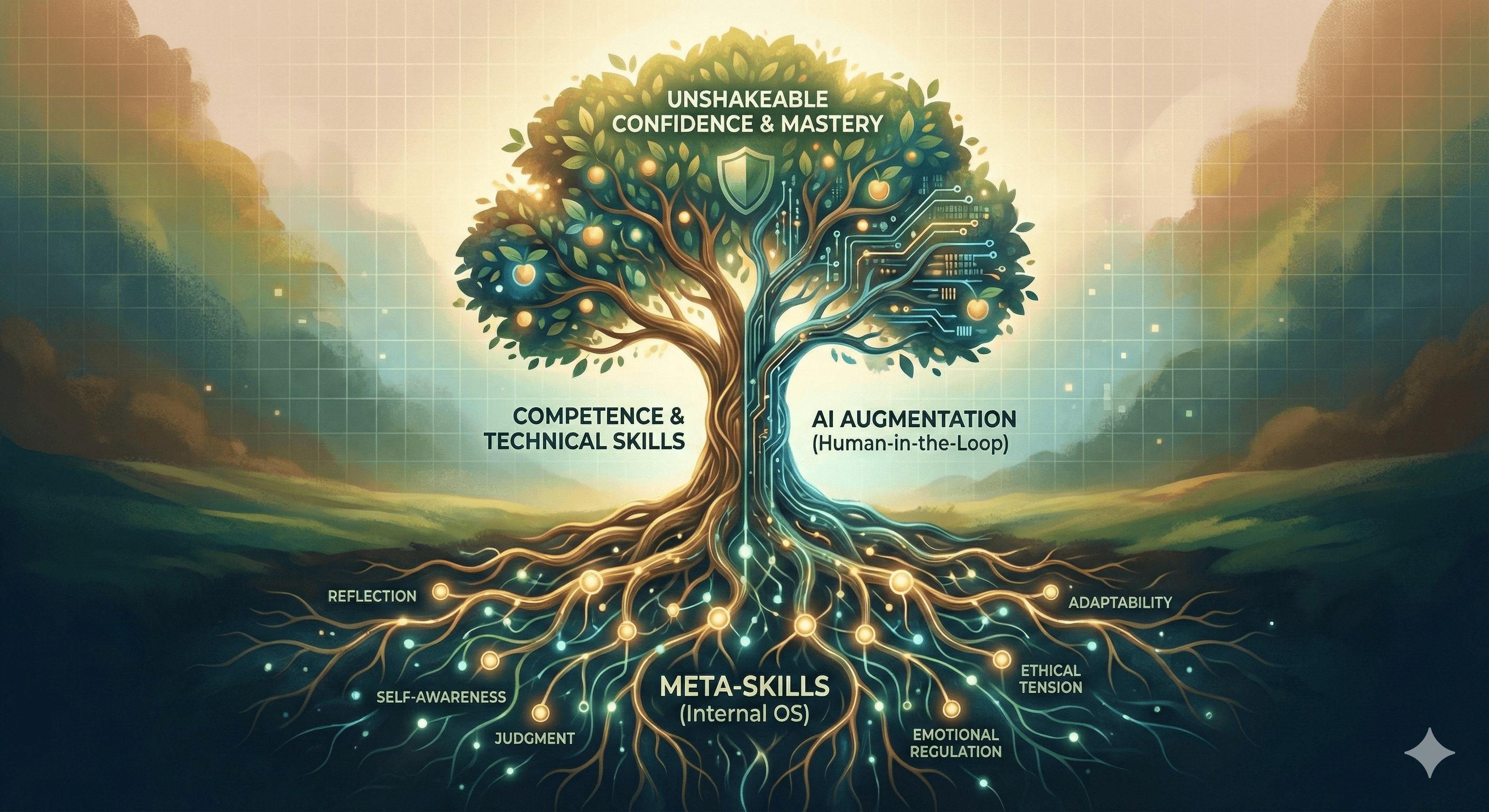
Transform reactions into maturity. Move beyond The Chimp Paradox and build emotional capacity, self-leadership, and confidence with RILayer.
Access Document
Discover why meta-skills are your career-compounding advantage in an AI world, and how the RILayer Reflective Practice Lab differs from traditional coaching by strengthening your internal operating system.
Access Document
Discover five transformative career mindsets anchored in the RILayer AAA Values—Acceptance, Accountability, and Affirmation—to help you take ownership, invest in growth, and lead your career with purpose.
Access Document
Discover how HR leaders can engineer empowerment through self-leadership to close skills gaps, drive innovation, and reduce costly attrition in an era of rapid change.
Access Document
Discover seven radical shifts that transform self-reflection into lasting power and build unshakeable confidence through mastery of your internal operating system.
Access DocumentThe enterprise AI stack remains structurally incomplete until organisations can control how decisions are made at the point of action.